Addiction, Alcohol Abuse, & Substance Abuse
Get Help Substance abuse is a pattern of compulsive substance use marked by recurrent significant social, occupational, legal, or interpersonal adverse consequences, such as repeated
If this is a medical emergency, please dial 911 immediately or go to the nearest emergency room.
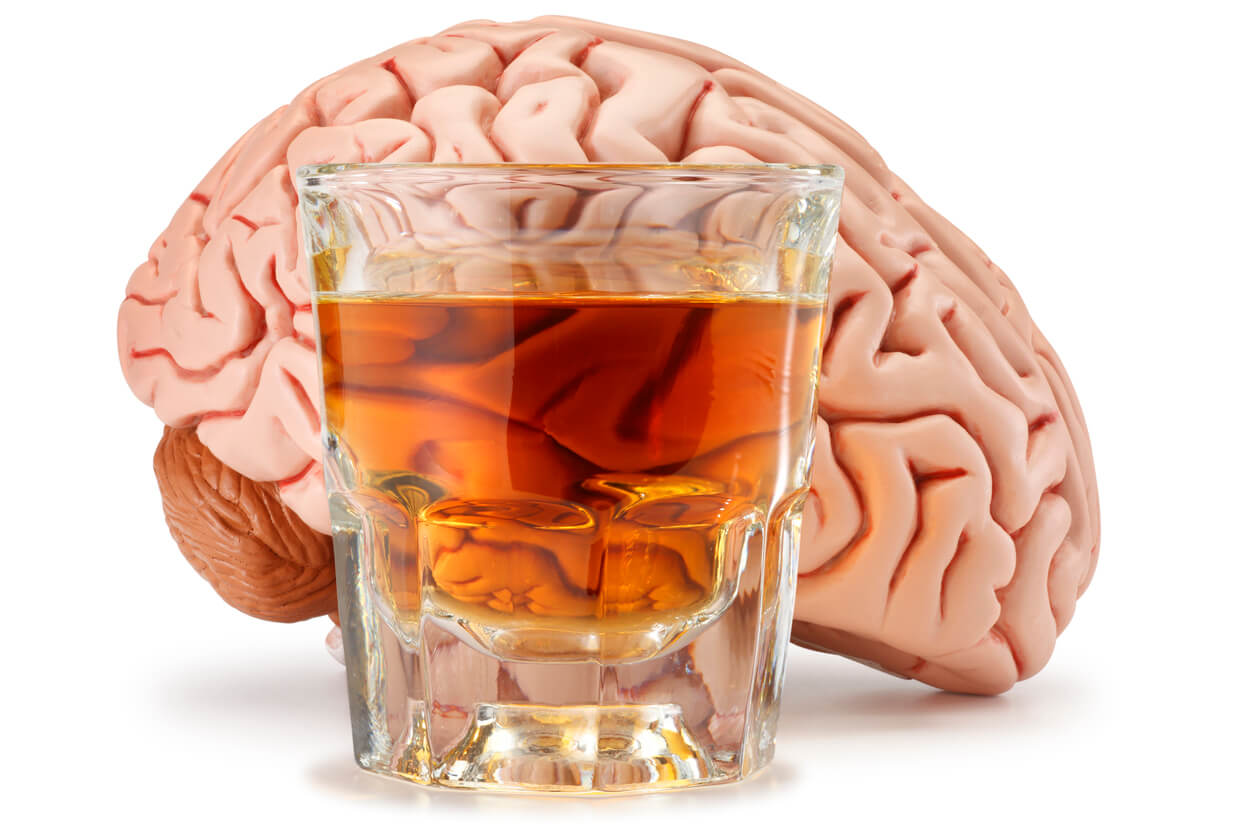
Addiction is a chronic and recurrent condition characterized by the compulsive pursuit and use of drugs, despite facing adverse consequences. This condition is considered a brain disorder due to the functional alterations it causes in brain circuits responsible for reward, stress, and self-control. These changes can persist long after drug use has ceased. Similar to other diseases like heart disease, addiction disrupts the normal functioning of a vital organ in the body and can result in severe harm. Fortunately, like many other diseases, addiction is both preventable and treatable. Without proper intervention, it can have lifelong consequences and may even lead to fatality.
In general, people resort to drug use for various reasons:
Initially, the choice to use drugs is usually made voluntarily. However, as drug use persists, a person’s capacity to exercise self-control can significantly diminish. This loss of self-control is a key characteristic of addiction. Studies utilizing brain imaging on individuals with addiction reveal observable physical alterations in brain regions essential for judgment, decision-making, learning, memory, and behavioral regulation. These changes shed light on the compulsive behavior observed in addiction.
Upon initial drug use, individuals may perceive positive effects and may believe they have control over their usage. However, as time progresses, drugs can swiftly take control of a person’s life. Engaging in drug use over an extended period can diminish the pleasure derived from other activities, leading the person to rely on the drug just to feel “normal.” Despite experiencing numerous issues for themselves and their loved ones, they struggle to regulate their urge to consume drugs. Some individuals may even feel the need to increase the dosage or frequency of drug use, even during the early stages of their drug use. These signs are indicative of addiction. Even moderate drug use carries inherent dangers. Consider the example of a social drinker who becomes intoxicated, drives a car, and turns a once enjoyable activity into a tragic event that impacts many lives. Similarly, occasional drug misuse, like using opioids to get high, can lead to devastating consequences, including impaired driving and overdose.

Some examples of treatment options for addiction or substance abuse include:
You are not alone. The stigma of mental illness holds many people back from seeking treatment. Perhaps you learned from your family or community that having a mental or emotional issue is a sign of personal, moral, or spiritual weakness and should be hidden from others. You may have heard you need more will power or should just “snap out of it” instead of seeking help. The truth is that anyone can develop a mental illness in the same way that they can develop a physical illness. In fact, according to the National Institute of Mental Health, one in five Americans is living with a mental illness.
Similar to other diseases and disorders, the probability of developing an addiction varies among individuals, and no singular factor alone determines the likelihood of drug addiction. Generally, the presence of more risk factors increases the chances of drug use and addiction. Conversely, protective factors serve to lower a person’s risk. Both risk and protective factors can be attributed to either environmental or biological influences.
Similar to chronic diseases like heart disease or asthma, drug addiction treatment does not typically provide a complete cure. However, it is possible to effectively manage addiction. Through treatment, individuals can address the disruptive impact of addiction on their brain and behavior, allowing them to regain control over their lives.
Yes, addiction is a treatable condition. Extensive research on the science of addiction and the treatment of substance use disorders has resulted in the development of evidence-based approaches that assist individuals in ceasing drug use and reintegrating into productive lives, commonly referred to as recovery.
No, the chronic nature of addiction entails that some individuals may experience relapse, which involves a return to drug use after attempting to stop. However, modern treatments are specifically designed to aid in preventing relapses. The relapse rates for drug use are comparable to those seen in other chronic medical conditions. Just like with other chronic diseases, if individuals deviate from their medical treatment plan, the likelihood of relapse increases. Managing chronic diseases necessitates altering deeply ingrained behaviors, and a relapse should not be seen as a failure of treatment. When a person in recovery from addiction experiences a relapse, it serves as a signal for them to consult with their doctor to resume treatment, make adjustments to the existing plan, or explore alternative treatment options.
Have you been feeling unlike yourself lately and yearning to get your enthusiasm back? Maybe you’ve been experiencing unexplainable mood swings or having a difficult time getting over that recent breakup. How about that feeling of overwhelm that resembles an elephant sitting on your chest? I provide individually-tailored treatments for those who are ready to be encouraged and empowered as they discover the head version of themselves as they make their mental health a priority.
Have you been feeling unlike yourself lately and yearning to get your enthusiasm back? Maybe you’ve been experiencing unexplainable mood swings or having a difficult time getting over that recent breakup. How about that feeling of overwhelm that resembles an elephant sitting on your chest? I provide individually-tailored treatments for those who are ready to be encouraged and empowered as they discover the best version of themselves as they make their mental health a priority.
Kirby is a Licensed Clinical Social Worker, who has a Bachelor of Social Work from Northwestern State University and a Master of Social Work from Stephen F. Austin University.
Kirby has experience providing counseling services to a variety of individuals, particularly adolescents. Kirby utilizes a collaborative and compassionate approach to counseling in an effort to foster hope, healing and resilience.
My name is Sarah Johnson. I am a Psychiatric Mental Health Nurse Practitioner. In 2012, I graduated from Northwestern State University with a Bachelors of Science in Nursing. In 2021, I graduated from Northwestern State University with a Masters in Nursing with a specialty in Psychiatric/Mental Health Nursing. I am married to one of my most favorite person I know, Seth Johnson. We have three awesome kids, Case, Kennedy, and Tripp.
I have been a Licensed Professional Counselor for 17 years. I have both a Bachelor’s degree in Psychology and a Master’s Degree in Counseling from Northwestern State University. I have worked with all populations, specializing in children, adolescents and families. My experience includes anxiety, self-esteem, family issues, peer issues, victim of sexual assault/domestic violence, life cycle transitions, grief, etc. I am credentialed in telehealth through the Board of Louisiana Professional Counselors.

Get Help Substance abuse is a pattern of compulsive substance use marked by recurrent significant social, occupational, legal, or interpersonal adverse consequences, such as repeated

Overview Substance use disorder (SUD) is a treatable mental disorder that affects a personÔÇÖs brain and behavior, leading to their inability to control their use

https://www.ncbi.nlm.nih.gov/pmc/articles/PMC6668884/
At Mind Over Matters, we believe in providing comprehensive support to our community beyond just our team of professional counselors. We understand that each individual’s journey is unique, and there may be times when additional resources can be incredibly beneficial in achieving mental and emotional well-being. That’s why, in addition to our dedicated counselors, we take pride in offering an extensive and diverse database of local resources, ensuring that you have access to the help you need, no matter your specific requirements.