

“We can’t change the digital world overnight—but we can change how our kids grow up in it.”
— Jonathan Haidt, The Anxious Generation
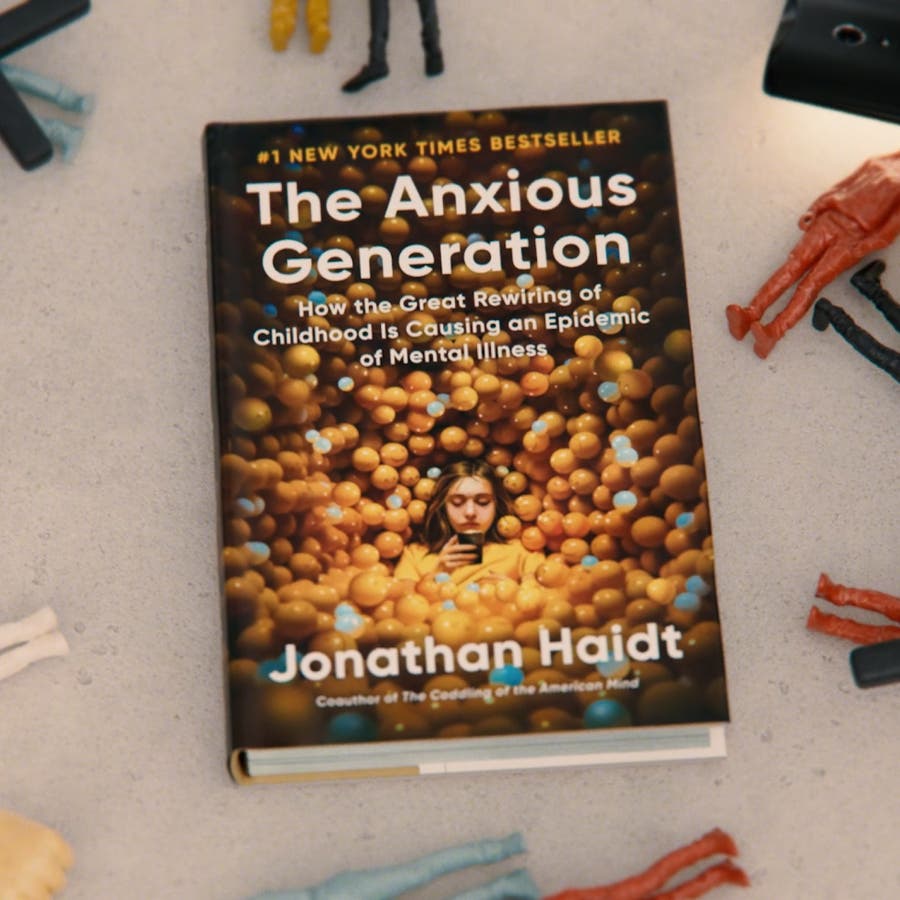
Jonathan Haidt’s newest book, The Anxious Generation, has topped best-seller lists since its release in 2024. The book struck a deep chord with parents who are searching for explanations—and solutions—to some of today’s most troubling trends: Why are so many children and teens more anxious and depressed than previous generations, and what can we do about it?
Haidt’s central idea is that between 2010 and 2015, a major cultural shift occurred. During this time, young people began spending less time in face-to-face interactions with friends and their communities, and more time on smartphones. These devices offer constant access to highly stimulating and rewarding experiences such as social media, online gaming, and other internet-based activities. The more time children and teens spend engaged in these digital worlds, Haidt argues, the more their brains adapt to—and crave—those instant rewards, often at the expense of real-world connection and emotional well-being.
To help reverse these trends, Haidt calls for a “collective reset” in how society approaches childhood and technology. He encourages parents and schools to:
- Delay giving smartphones until about age 15
- Delay the opening of social media accounts until at least age 16
- Support phone-free schools
- Promote more real-life interactions, such as unstructured outdoor play for children and increased social and community connections for teens.
Haidt’s message is not anti-technology but rather pro-balance—urging families, schools, and communities to create environments that support healthy development in both the digital and physical worlds.